Knowledge Center Expert Tips & Education The Ultimate Guide to Tree Pruning Techniques in Broomfield November 8, 2024 • 7 min read Expert Tips & Education
Tree pruning is vital for keeping trees healthy, beautiful, and safe in the Northwest Denver Metro Area. With the right techniques, you can increase the beauty of your landscape and encourage vigorous tree growth. This guide will explore different pruning methods, their benefits, and the best times to prune trees in Broomfield.
Different Pruning Techniques
- Thinning
Thinning involves the selective removal of branches to improve light and air circulation within the tree. For example, removing about 20 to 30 percent of the smaller branches can enhance light penetration, which boosts healthy growth and reduces disease risks.
When practicing thinning, choose branches that are crossing, dead, or diseased to maintain the tree’s natural shape. Proper thinning can lead to healthier trees that grow stronger foliage.
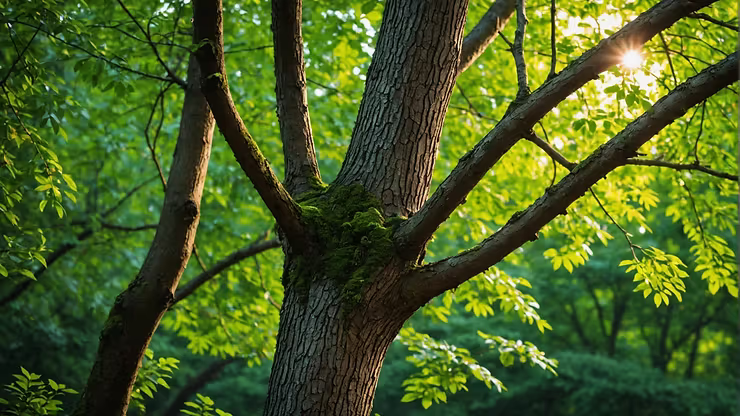
Tree thinning technique
Thinning method applied on a tree
- Reduction
Reduction is the technique of cutting back branch length while preserving the tree’s overall shape. This method is particularly useful if a tree is growing too tall or too wide for its space. For instance, reducing a branch by 30 to 50 percent can help control a tree’s height.
Make reduction cuts at a lateral branch to guide future growth in a desired direction. Caution is key; improper cuts can lead to stress and long-term health issues for mature trees.
- Crown Cleaning
Crown cleaning focuses on removing dead, dying, or diseased branches from the tree’s upper canopy. Regular crown cleaning, ideally once a year, is essential for disease prevention and overall tree vitality.
By clearing the upper canopy, you enhance light access to lower branches, which can lead to a 20 to 30 percent increase in new growth.
- Crown Raising
Crown raising involves removing lower branches to raise the tree’s canopy. This technique is particularly beneficial for trees planted near pathways, patios, or driveways. For instance, raising the canopy 7 to 10 feet can create a more open space and safer environment.
Be cautious not to over-prune, as removing too many branches at once can cause stress and make the tree vulnerable to environmental elements.
- Crown Restoration
Crown restoration is used to repair trees damaged by storms or poor previous pruning. This process may involve selectively removing branches to restore the tree’s original shape and health.
Depending on the extent of the damage, you may need to combine multiple techniques. Remember that the health of the tree should always be the top priority during restoration.
Benefits of Proper Tree Pruning
Proper tree pruning provides numerous advantages, improving both tree health and landscape appeal.
- Improved Tree Health
Pruning helps eliminate dead or crowded branches, which can enhance overall tree health. Studies show that well-pruned trees can have a 50 percent higher resistance to pests and diseases.
- Enhanced Safety
Strategic pruning can prevent branches from falling during storms or high winds, significantly lowering the risk of injury. For trees near homes or public areas, this is crucial. About 20 to 25 percent of tree-related accidents are due to falling branches.
- Aesthetic Appeal
Well-maintained trees dramatically enhance landscape beauty and property value. For instance, a healthy, aesthetically pruned tree can increase a property’s value by up to 15 percent. Aesthetic pruning can create attractive shapes that complement your home and garden.
- Increased Fruit Production
For fruit trees, proper pruning can enhance both the quality and quantity of fruit. This technique can lead to a 30 to 50 percent increase in fruit yield, making crop management more efficient.
- Encouragement of New Growth
Pruning stimulates new growth in trees, resulting in thicker foliage and stronger branches. A properly pruned tree can develop 20 to 40 percent more new growth in the following season compared to an unpruned tree.
When to Prune Trees in Broomfield
Timing your pruning efforts is just as important as the methods you use. The best time to prune depends on the species of tree and your goals.
Deciduous Trees
Late winter to early spring is the prime time for pruning deciduous trees. During dormancy, trees are less stressed, and pruning can set the stage for robust growth once the season begins.
Fruit Trees
For fruit-bearing trees, the ideal time to prune is late winter or early spring, just before flowering. This timing boosts fruit production and ensures the trees remain healthy.
Evergreen Trees
Evergreens can typically be pruned throughout the growing season, although late winter is preferred for most species. Avoid heavy pruning in the fall, as it may expose trees to winter stress.
Emergency Pruning
In the event of storm damage, timely emergency pruning is crucial. Taking prompt action not only ensures safety but also prevents further damage to the tree. Always consult professionals for emergency situations to maintain the tree’s health.
Pruning tools used in tree maintenance
Tree pruning is essential for the health and safety of trees in Broomfield and throughout the Northwest Denver Metro Area. By implementing techniques like thinning, reduction, crown cleaning, crown raising, and crown restoration, you can maintain robust trees that beautify your landscape.
Always consider the timing of your pruning practices for the best outcomes. Proper tree pruning not only enhances your surroundings but promotes a safer, healthier environment. Invest in your trees now and reap their benefits for years to come!
Forrest Bullard Forrest formed Bullard Tree and Garden in 2015 after working for big, corporate tree companies. Back to Knowledge Center GET PROFESSIONAL TREE CARE AND PLANT HEALTH Knowledge Center
Get professional advice about tree and plant health services for your property, provided by certified experts.
View all Commercial & HOA Solutions 5 min read Importance of Tree Inspections: What you need to know in Colorado Regular tree inspections are crucial for Broomfield and Arvada residents who want to maintain the beauty and safety of their properties. Read more Expert Tips & Education 2 min read Why Your Fruit Tree Isn’t Thriving (Hint: It’s Pruning) When it comes to growing healthy fruit trees, the secret isn’t just in the watering or the soil. Read more Landscape Enhancement 2 min read Transform Your Curb Appeal with Expert Flower Bed Service If your flower beds are overgrown, patchy, or just plain uninspiring, they could be doing your home a major disservice. Read more WORRY-FREE TREE AND PLANT CARE Proudly Serving Residential and Commercial Properties in Colorado
We service Boulder County and surrounding communities including Broomfield, Boulder, Lafayette, Longmont, Louisville, Superior and more. If you don’t see your area listed please contact us.
Erie Jamestown Lafayette Longmont Louisville Lyons Superior Nederland Arvada Broomfield Boulder Westminster Altona Berthod Niwot Gunbarrel Gooding Morey Firestone Fredrick Dacono Loveland